
As an authorized veterinary physiotherapist, my aim is to restore function, regain mobility, reduce pain levels and improve quality of life in animals.
MON/WED/THUR 9:00-18:00
SAT-SUN CLOSED
EMERGENCIES - CONTACT
animalphysiocare@gmail.com
082 571 1656
Photobiomodulation (PBMT), or laser therapy, is a rapidly growing treatment modality used for a variety of medical conditions in companion animals. PBMT is painless, noninvasive, and easily administered in a primary care setting.
It strengthens muscles and can re-educate them, reversing muscle atrophy. Electrotherapy can also provide pain control or relief, a reduction of inflammation, and promote wound healing.
Therapeutic exercise can help dogs recover more quickly from surgical procedures or injuries, promote functional independence, and keep canine athletes at peak performance levels.
As a veterinary physiotherapist, I use various modalities and techniques to restore function, regain mobility and reduce pain in patients with musculoskeletal conditions or injuries.
Additionally I advise, encourage, support and assist the client through their pet’s recovery stages after injury or post-operatively, or conservatively as the condition progresses.

Offering those crucial home visits for pets that are unable to travel, especially after surgery or due to other conditions.
I use manual therapy, stretching, thermotherapy, photobiomodulation, transcutaneous electrical stimulation, neuromuscular electrical stimulation, kinesiotaping, therapeutic exercise, hydrotherapy (if applicable and available). It all depends on what is needed in the individual case.

I provide a mobile animal physiotherapy service, which means I come directly to you, and provide therapeutic services and also assist with a therapy plan to assist your pet for a longer and more comfortable life.
Always ask for an exercise plan from your physical therapist. Fracture repair is usually effective and carries a good to excellent prognosis in most cases, with cats resuming normal activity levels within three to four months after surgery. However, do not start any exercises unsupervised.
In Physiotherapy, heat therapy, manipulation and mobilization and other modalities may be incorporated into the treatment plan to control muscle spasm and pain. Strengthening exercises for the lumbar and abdominal will be given as part of a long term management plan.
Physiotherapy is the foundation for non-surgical treatment. It has been featured as an effective treatment for lumbar spinal stenosis. It's a primary treatment for spinal stenosis. It involves a guided physical therapy programs that aim in strengthening the abdominal and back muscles.
Most patients will require ongoing medical management with pain relief. The treatment will be tailored to each patient and may need to be modified over time. A small proportion of dogs may not respond to medication and can have a significantly impaired quality of life which requires pain management such as laser treatments.
Physical therapy may be required during the recovery period when there is paralysis or reduction in muscle mass. Extra cushioning for your pet as he rests will provide the comfort needed during his convalescence period; the veterinarian may suggest that you turn your dog at regular intervals so that he is comfortable and to avoid sores.
Treatment recommendations will depend on whether additional causes were found during the diagnosis. If a tumor is present, surgery may be recommended. If the condition is found to be congenital or hereditary, treatment will be purely supportive with a focus on improving the quality of life for the affected cat.
Treatment may include manual therapy techniques such as massage and joint mobilisation, modalities such as heat and ice, and a shoulder stabilisation support system to prevent excessive motion while healing. Advice on appropriate bedding will be provided to ensure your pet is well supported.
The term soft tissue trauma describes a group of minor injuries to muscles or joints. Collectively, these types of injuries are the most common cause of limping in both dogs and cats. Soft tissue trauma resolves rapidly with rest. Anti-inflammatory medications frequently are used to speed the healing.
Treatment of Carpal Hyperextension in Dogs Your veterinarian will provide a supportive splint for your pet and may recommend physiotherapy and hydrotherapy. If your pet is suffering from a fracture he will require orthopedic surgery in order to stabilise the fracture.
Osteoarthritis is the most common form of arthritis in dogs and is a degenerative joint disorder that leads to a permanent deterioration of the cartilage that provides cushioning for the joints. This painful condition is estimated to affect about a quarter of all dogs throughout their lifetime.
Hip and elbow dysplasia are categorized as developmental disorders caused by dysmorphic and lax joint formation. This malformation consequentially results in abnormal wearing of bone over time, inducing the secondary development of osteoarthritis (OA) or arthrosis, and degenerative joint disease (DJD) (2).
Patellar luxation, a hereditary disorder in dogs and cats, is characterized by ectopic development of the patella medial or lateral to the trochlear groove of the femur. Patellar luxation can be associated with multiple deformities of the hindlimb, involving the hip joint, femur, and tibia.
Stretching or rupture of the CCL causes instability of the knee joint, which can lead to lameness, inflammation and damage to the menisci (knee cartilages). A complete rupture of the CCL causes non-weight bearing lameness; the animal will often hold the injured leg in a flexed position while standing.
Fibrocartilaginous embolism, or FCE in dogs, happens when a piece of cartilage from the disc blocks blood flow to the spinal cord, causing a stroke. Symptoms usually come on suddenly, often when the pet is being active, and usually affect one side more than the other.
Supraspinatus tendinopathy (ST) is a common condition identified in dogs with forelimb lameness. The cause of ST appears to be related to repetitive strain injury. Diagnosis and treatment can be challenging. Diagnosis is based upon physical examination and advanced imaging.
We worked with Zandri for around 8 years and have had amazing results. Her knowledge and compassion for animals is absolutely immeasurable! Our dogs loved her and loved attending her weekly sessions! She’s an amazing therapist whom I would recommend in a heartbeat!

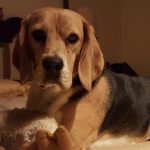
Zandri is an amazing physio who is as kind and compassionate as she is competent. My Beagle Samuel was under her treatment for a few years and I don’t trust my pets with just anyone. He absolutely loved her and responded so well to her treatment, getting a new lease on life being able to run and play painfree again. Zandri’s dedication, gentleness and willingness to go the extra mile really makes a difference in the lives of her patients. I would highly recommend her to anyone seeking professional physiotherapy for their pets.
Veterinarian
Availability
Message me
Email address
Availability

